
Shipping to Papua New Guinea (PNG) | Australia to PNG Freight Forwarder

Shipping freight from Australia to Papua New Guinea requires practical planning, reliable international transport and a clear understanding of the conditions on the ground. CargoMaster provides Australia to PNG freight forwarding services for businesses, organisations and private customers moving cargo between Australia and Papua New Guinea. Freight can be collected from Sydney, Melbourne, Brisbane, Perth, Adelaide, Canberra, Hobart, Darwin and regional Australian locations.
Papua New Guinea is a major Pacific destination with important commercial centres including Port Moresby, Lae, Madang, Rabaul and other island and provincial locations. CargoMaster arranges air freight and sea freight to PNG, with transport solutions suited to everything from cartons and pallets through to shipping containers, vehicles, mining equipment, construction machinery and oversized project cargo.
The right freight method depends on the type of cargo, its dimensions, weight, destination and required delivery timeframe. Air freight to Port Moresby is suited to urgent consignments and time-sensitive spare parts, while sea freight through Port Moresby, Lae and other PNG ports provides economical capacity for larger and heavier shipments.
CargoMaster also assists customers sending freight to remote areas where the journey may involve several transport stages. Cargo can move by international vessel, feeder service, road transport, barge or local delivery arrangements depending on the final destination. This is particularly important for mining, construction, infrastructure, agriculture and resource projects operating away from the main population centres.
Whether you require a single pallet, a full container, an urgent aircraft shipment or specialist transport for heavy machinery, CargoMaster can develop a freight solution around your requirements. Our Australia to Papua New Guinea shipping services are designed to provide practical logistics planning, documentation support and coordinated international transport from collection through to delivery.
PNG Destinations We Serve
Major Ports & Cities
- Port Moresby
- Lae
Regional & Remote Locations
Import & Export
 CargoMaster assists with both imports into Papua New Guinea and exports from PNG to Australia. Commercial freight can include machinery, construction materials, mining supplies, electrical equipment, replacement parts, agricultural equipment, consumer products and general merchandise. Personal effects, household goods and other private consignments can also be arranged.
Papua New Guinea imports substantial quantities of machinery, vehicles, manufactured products, food products, fuel, construction materials and industrial equipment. CargoMaster can arrange transport from Australian suppliers, warehouses, factories and private premises to destinations including Port Moresby, Lae, Madang and Rabaul.
Exports from Papua New Guinea can also require carefully coordinated freight arrangements. Depending on the commodity, cargo may move from inland locations to a PNG port before being shipped internationally. CargoMaster can coordinate the Australian transport and international freight components where required.
Accurate cargo information is essential when arranging international freight to PNG. Details such as the description of goods, quantity, dimensions, gross weight, value, packing method and final destination help determine the most suitable transport option and documentation requirements.
For commercial exporters and importers, CargoMaster can coordinate freight bookings, export documentation, shipping arrangements and customs support. Planning the shipment before cargo is collected can help reduce unnecessary handling, avoid documentation problems and provide a clearer understanding of the expected freight costs.
Sea Freight
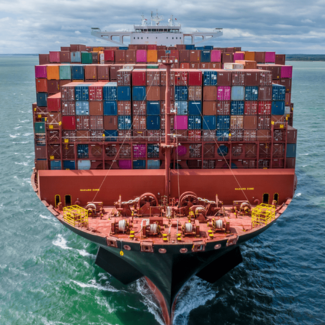 Sea freight is often the most economical way to transport substantial quantities of cargo from Australia to Papua New Guinea. It provides significantly greater capacity than air freight and is suitable for machinery, vehicles, construction equipment, mining supplies, commercial goods, household effects and large consignments.
CargoMaster can arrange sea freight from Australian ports including Port Botany in Sydney, the Port of Melbourne, the Port of Brisbane, Fremantle, Adelaide and other suitable departure locations. Depending on the shipping service, cargo can move towards PNG gateways including Port Moresby, Lae, Madang and Rabaul.
Full Container Load shipping is suitable when a customer has enough cargo to utilise most or all of a container. Less Than Container Load consolidation can provide a more economical alternative when the shipment does not justify a complete container.
Specialised sea freight can be arranged for cargo that does not fit inside a conventional container. Open-top containers, flat racks, break-bulk shipping and other specialised methods may be considered for heavy machinery, industrial equipment and out-of-gauge freight.
CargoMaster coordinates the various stages of the international sea freight process, including cargo collection, export preparation, shipping documentation, container arrangements and destination logistics. For complex PNG destinations, additional inland or island transportation may also need to be incorporated into the freight plan.
20ft & 40ft Sea Containers
 CargoMaster can arrange 20ft and 40ft shipping containers for freight moving from Australia to Papua New Guinea. Container shipping provides a practical solution for commercial cargo, household goods, vehicles, machinery, equipment and larger consignments that benefit from enclosed international transport.
A 20ft container is commonly selected for smaller or heavier consignments where cargo weight is more significant than overall volume. A 40ft container provides substantially more internal capacity and can be appropriate for larger household relocations, commercial inventory and high-volume freight.
High cube containers may also be considered where additional internal height is useful. CargoMaster assesses the dimensions and characteristics of the shipment before recommending the appropriate container type.
Containerised cargo can depart from Australian metropolitan and regional locations before being transported to an Australian port for international shipment. On arrival in PNG, the container may be cleared through customs and arranged for collection or onward delivery according to the agreed service.
For businesses shipping regularly to Papua New Guinea, container freight can provide a reliable method of moving stock, equipment and supplies. CargoMaster can assist with both individual consignments and recurring international freight requirements.
International Shipping Container Dimensions | |||||
Type of Container | Inside Dimensions (m) | Door Opening (m) | Tare Weight (kgs) | Volume (cbm) | Loading Capacity (kgs) |
20' Standard Container | 5.92x2.34x2.38 | 2.29x2.28 | 1.9 | 33 | 22.1 |
20' Open Top Container | 5.92x2.34x2.38 | 2.29x2.28 | 2.177 | 31.6 | 21.823 |
20' Reefer Container | 5.38x2.24x2.29 | 2.24x2.12 | 3.209 | 24.1 | 17.111 |
20' Flatrack | 5.94x2.40x2.27 | 2.56 | 21.44 | ||
40' Standard Container | 12.06x2.35x2.38 | 2.29x2.28 | 3.107 | 67.3 | 27.373 |
40' Open Top Container | 12.064x2.34x2.37 | 2.29x2.25 | 4.445 | 64 | 26.067 |
40' Reefer Container | 11.21x2.25x2.18 | 2.22x2.12 | 4.84 | 49.3 | 25.64 |
40' Flatrack | 12.07x2.42x2.10 | 5.55 | 25.22 | ||
40' High-Cube | 12.06x2.34x2.68 | 2.29x2.25 | 3.265 | 75.8 | 27.215 |
Self-Pack Containers
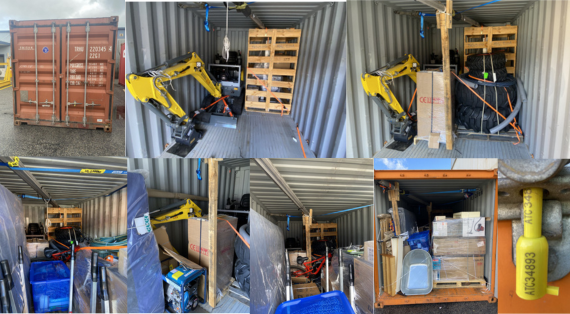
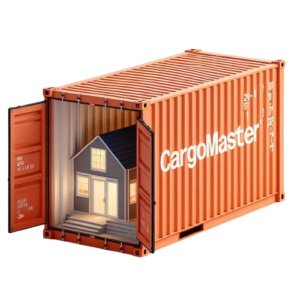 Self-pack container shipping provides an economical alternative for people relocating to Papua New Guinea or businesses sending larger quantities of goods. Instead of paying a traditional removalist to pack everything, customers can load their own belongings while CargoMaster manages the international freight arrangements.
CargoMaster can arrange delivery of a 20ft or 40ft container to a suitable Australian premises or packing location. Customers can then load household goods, furniture, personal effects, business equipment and other permitted items at their own pace.
Careful packing and weight distribution are important when loading an international shipping container. Heavy goods should be positioned appropriately, fragile items protected and the cargo secured to reduce movement during road and sea transport.
Once packing is completed, the container is secured and collected for export processing. CargoMaster can coordinate the shipping documentation and international sea freight arrangements, with the container moving towards PNG through the appropriate shipping route.
Self-pack container shipping can be especially useful for families, expatriates, businesses and organisations that want greater control over packing while reducing the cost of a conventional international removal service. CargoMaster can discuss the available options based on the Australian collection point and PNG destination.
How Our Self‑Pack Service Works
- Container delivered to your Australian address
- You load and secure your goods at your own pace
- We handle collection, export documentation and compliance
- Shipped to PNG with full tracking available
- Delivered to your nominated PNG location
Ideal For
- Expatriate relocations and household moves
- Personal effects and furniture shipments
- Business surplus equipment, tools and stock
- Cost‑effective larger loads not suited to LCL

Vehicle Shipping
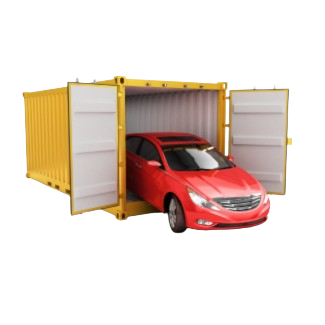 CargoMaster can arrange vehicle shipping from Australia to Papua New Guinea for cars, four-wheel drives, trucks, commercial vehicles and selected heavy equipment. Vehicle transport requires careful attention to shipping method, vehicle dimensions, documentation, customs requirements and destination arrangements.
Depending on the vehicle and available service, transport may be arranged using containerised shipping or roll-on/roll-off services. Container shipping can provide additional protection and may be appropriate where the vehicle is being shipped with other permitted cargo.
Vehicles can be collected from locations throughout Australia and transported to a suitable Australian port. International shipping can then be arranged towards PNG ports including Port Moresby and other available destination ports.
Import requirements for vehicles can change according to PNG government regulations, vehicle type, age, engine characteristics and intended use. Customers should obtain current advice regarding import approval, duties, taxes, quarantine and registration before purchasing or shipping a vehicle.
CargoMaster can assist with the freight and logistics side of vehicle shipping, including transport arrangements, export documentation and coordination with relevant parties. Obtaining the vehicle specifications and destination before booking allows the shipment to be assessed properly.
Illustrative Vehicle Import Cost Breakdown
| Item | Cost (Kina) |
|---|---|
| Vehicle value | 6,000.00 |
| Sea freight | 3,500.00 |
| Freight insurance | 270.00 |
| Import duty (80% of CIF value) | 7,816.00 |
| Import GST | 1,758.60 |
| Customs brokerage | 650.00 |
| Quarantine inspection | 123.20 |
| Wharf & port handling | 650.00 |
| Safety compliance check | 30.00 |
| Vehicle registration | 476.50 |
| Total estimated import cost | 21,274.30 |
Specialized & Heavy Freight
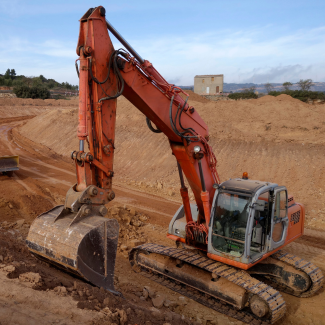 Papua New Guinea presents unique logistics requirements for oversized machinery and project cargo. Mining equipment, construction machinery, generators, industrial components, agricultural equipment and large engineering items may require specialised transport rather than a standard container.
CargoMaster can arrange flat-rack, open-top and other specialised shipping solutions where appropriate. Break-bulk and heavy-lift shipping may also be considered for cargo that cannot be safely transported inside a standard 20ft or 40ft container.
Planning is especially important for freight travelling beyond Port Moresby, Lae or other major ports. Road conditions, bridges, loading facilities, site access, lifting equipment and the final delivery location may all influence the transport method.
CargoMaster can coordinate specialist services such as cargo securing, lashing and bracing, marine survey requirements, heavy-lift handling and project logistics. For over-dimensional machinery, route assessment may also be required before transportation begins.
Specialised freight is commonly required by mining, construction, agriculture, energy, forestry and infrastructure operations. CargoMaster can develop a multimodal transport plan where freight needs to move by sea, road, barge or other local transport from an Australian origin to a remote PNG project site.
Heavy & Oversized Cargo
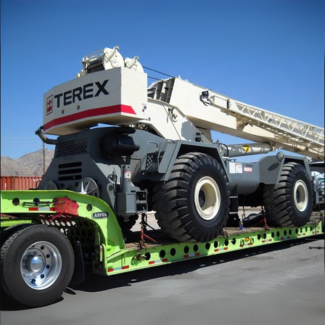
- Flat-rack, open-top, and specialised container options
- Break-bulk freight bookings and custom loading plans
- Marine survey checks, secure lashing and compliance verification
- Permits, escort requirements and PNG destination approval
- Door-to-site transport including inland and island transfers
- Heavy-lift handling and crane coordination for oversized machinery and industrial equipment
- Route planning and transport assessments for over-dimensional cargo travelling through ports, roads and remote project locations
- End-to-end project logistics management, including scheduling, multi-modal transport coordination and shipment progress updates
Industries & Project Sites Served
- Mining and resource development equipment
- Construction and infrastructure machinery
- Oil & gas and energy project components
- Forestry and agricultural heavy gear
- Remote island and inland project locations
Air Freight
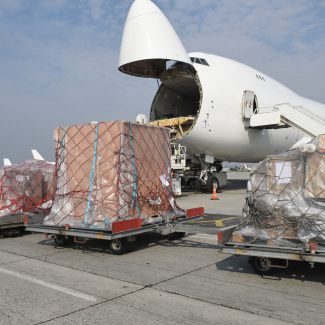
 CargoMaster provides international air freight to Papua New Guinea for urgent, valuable and time-sensitive consignments. Air cargo can be arranged from Australian capital cities and regional locations, with international connections serving major PNG destinations. Port Moresby is the principal international gateway, with Jacksons International Airport providing an important entry point for air cargo.
Air freight is particularly useful when replacement machinery parts, mining components, engineering equipment or commercial goods are required quickly. CargoMaster can arrange the collection of freight in Sydney, Melbourne, Brisbane, Perth, Adelaide, Canberra, Hobart or Darwin and coordinate the international air freight movement into PNG.
Shipments may include cartons, pallets, machinery components, industrial equipment, medical supplies, business stock and urgent spare parts. Depending on the cargo and available service, freight can be arranged as airport-to-airport or with additional collection and delivery services.
For destinations beyond Port Moresby, onward domestic transportation may be required. CargoMaster can assist with logistics planning for freight moving towards locations such as Lae, Mount Hagen, Madang, Rabaul and other regional destinations, subject to available transport services.
When delivery speed is more important than the lower cost generally associated with sea freight, air freight can be the appropriate choice. CargoMaster assesses the cargo and required timeframe before recommending the most practical international freight solution.
Air Freight Charter
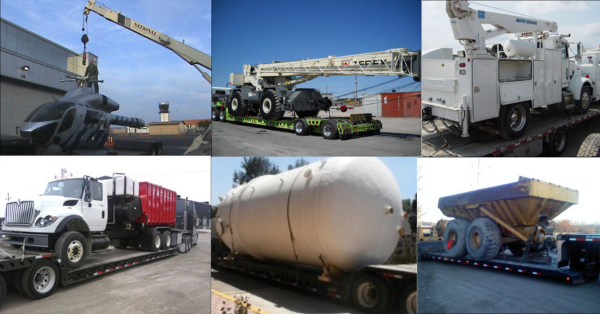
 Standard airline schedules are not always suitable for large, urgent or unusual consignments. CargoMaster can arrange air freight charter solutions for specialist shipments requiring dedicated aircraft capacity, unusual loading arrangements or access to locations not conveniently served by regular international services.
Air charter can be particularly valuable for mining operations, construction projects, emergency response, infrastructure developments and humanitarian organisations working in Papua New Guinea. Cargo can be moved from Australia with aircraft selected according to cargo weight, dimensions, volume, loading requirements and destination.
Charter planning involves considerably more than booking an aircraft. CargoMaster can assist with aircraft selection, route planning, loading arrangements, ground handling, documentation, customs coordination and onward transportation. These elements need to work together to ensure the charter operates efficiently.
For PNG projects located away from major cities, the final delivery point can be an important consideration. A shipment may need to arrive through Port Moresby before continuing inland, or an appropriate aircraft and landing location may be considered for a remote project where facilities permit.
CargoMaster’s air charter service is intended for situations where conventional air freight cannot provide the required combination of capacity, timing or routing. Each charter is assessed individually so the transport plan matches the actual requirements of the shipment.
Transit Times
 Transit times for freight to Papua New Guinea depend on the Australian origin, transport mode, destination, shipping schedule, transhipment requirements, customs processing and final delivery location. Air freight is normally selected when speed is the primary consideration.
Sea freight generally takes longer but provides a considerably more economical option for larger and heavier shipments. Direct and transhipment routing can affect the overall transit period, particularly when freight is destined for locations beyond the main PNG ports.
Port Moresby, Lae, Madang and Rabaul can involve different shipping arrangements. A shipment destined for an inland mining or construction project may require additional road or coastal transport after the international vessel arrives in PNG.
Remote island locations can require additional logistics planning. Cargo may need to transfer through a major port before moving onwards by smaller vessel, barge, domestic transport or other suitable means.
CargoMaster can provide an estimated transit timeframe once the cargo details, Australian collection location and PNG delivery address are known. Transit estimates should always be treated as indicative because vessel schedules, airline capacity, customs processing, weather and local transport conditions can affect delivery.
Frequently Asked Questions
How do I ship freight from Australia to Papua New Guinea?
CargoMaster can arrange air freight or sea freight from Australian capital cities and regional locations to Papua New Guinea. The appropriate method depends on the cargo size, weight, destination, urgency and budget.
What is the cheapest way to ship goods to PNG?
For larger or non-urgent consignments, sea freight is generally more economical than air freight. LCL consolidation can be suitable for smaller shipments, while FCL shipping provides dedicated 20ft or 40ft container capacity.
What ports can CargoMaster ship to in Papua New Guinea?
Freight can be arranged towards major PNG gateways including Port Moresby, Lae, Madang and Rabaul. Additional logistics may be required for inland, island and remote destinations.
Can I ship a 20ft container to Papua New Guinea?
Yes. CargoMaster can arrange 20ft container shipping for suitable household, commercial, industrial and other permitted cargo. Container availability and shipping routes depend on the Australian origin and PNG destination.
Can I ship a 40ft container to PNG?
Yes. A 40ft container can provide additional capacity for larger consignments, including household relocations, commercial stock and equipment. High cube equipment may also be available where additional height is required.
Can I pack my own shipping container?
Yes. CargoMaster’s self-pack container service allows customers to pack their own 20ft or 40ft container, subject to suitable access and cargo requirements. CargoMaster then coordinates collection, export arrangements and international shipping.
Does CargoMaster ship vehicles to Papua New Guinea?
Yes. CargoMaster can assist with shipping cars, four-wheel drives, trucks, commercial vehicles and other suitable vehicles. Containerised and roll-on/roll-off options may be considered depending on the vehicle and available service.
Can CargoMaster ship mining equipment to PNG?
Yes. CargoMaster can arrange freight for mining machinery, replacement parts, engineering equipment and other resource-sector cargo. Heavy or oversized equipment may require flat racks, open-top containers, break-bulk shipping or specialised project logistics.
Can you send urgent spare parts to Port Moresby?
Yes. Air freight is often the most appropriate option for urgent spare parts and time-sensitive equipment. CargoMaster can assess the shipment and arrange an air freight service based on the required delivery timeframe.
Does CargoMaster offer air freight charter to PNG?
Yes. Aircraft charter can be considered for large, urgent or specialised shipments where normal airline services cannot provide the required capacity, timing or routing.
Can CargoMaster deliver freight to remote areas of PNG?
CargoMaster can assist with logistics planning for inland, remote and island destinations. Depending on the location, final delivery may involve road transport, coastal shipping, barge, feeder services or other local transport arrangements.
How long does sea freight from Australia to PNG take?
Transit times vary according to the Australian departure point, PNG destination, vessel schedule, routing, transhipment, customs and final delivery requirements. CargoMaster can provide an indicative timeframe after reviewing the shipment details.
Does CargoMaster arrange customs clearance for PNG freight?
CargoMaster can assist with customs and import documentation requirements and coordinate with relevant customs brokers and destination logistics providers. Requirements vary according to the type of cargo and current PNG regulations.
What information is required for a freight quote to PNG?
Useful information includes the Australian collection suburb, PNG delivery location, cargo description, number of pieces, dimensions, total weight, value, packing details and preferred delivery timeframe. For vehicles or machinery, make, model, dimensions and weight are also useful.
Does CargoMaster handle oversized freight to PNG?
Yes. Oversized and heavy cargo can be assessed for specialised transport using flat racks, open-top containers, break-bulk services and other suitable methods. CargoMaster can also consider lifting, lashing, route planning and destination delivery requirements.
Can businesses use CargoMaster for regular PNG freight?
Yes. CargoMaster can arrange ongoing freight solutions for businesses importing and exporting goods between Australia and Papua New Guinea, including commercial cargo, machinery, equipment, spare parts and project freight.
Why CargoMaster
 Choosing the right Australia to PNG freight forwarder can make a substantial difference when cargo needs to move across international borders and through complex Pacific logistics networks. CargoMaster provides freight forwarding services for commercial cargo, personal effects, vehicles, machinery, mining equipment and project shipments.
CargoMaster can arrange freight from Sydney, Melbourne, Brisbane, Perth, Adelaide, Canberra, Hobart, Darwin and regional Australian locations. International transport can then be coordinated by air freight or sea freight according to the cargo and required delivery timeframe.
The service extends beyond simply booking a vessel or aircraft. CargoMaster can assist with collection, freight planning, container selection, export documentation, customs coordination, specialised cargo handling and destination delivery arrangements.
Experience with Pacific freight is particularly valuable when shipments are destined for remote areas. CargoMaster understands that getting freight into PNG is only one part of the process, with inland transportation, island connections, lifting requirements and local delivery sometimes forming an important part of the overall logistics plan.
Whether you need to send one urgent spare part to Port Moresby, a container of household goods to PNG, vehicles through a PNG port, or heavy mining equipment to a remote project, CargoMaster can assess the shipment and recommend a practical freight solution based on cargo type, destination, timing and budget.
SAVE TIME SAVE MONEY
International Freight Forwarding Services Australia
Affordable Shipping Worldwide! Africa New Zealand USA United Kingdom
Addition Information (
Click the +/- plus/minus symbols to expand/collapse)
IATA AIRPORT CODES AUSTRALIA
Sydney Airport – SYD
Melbourne Airport – MEL
Brisbane Airport – BNE
Perth Airport – PER
Adelaide Airport – ADL
Gold Coast Airport – OOL
Cairns Airport – CNS
Canberra Airport – CBR
Hobart Airport – HBA
Darwin Airport – DRW
Townsville Airport – TSW
Newcastle Airport – NTL
Sunshine Coast Airport – MCY
Mackay Airport – MKY
Avalon Airport – AVV
Alice Springs Airport – ASP
Rockhampton Airport – ROK
Ballina Airport – BNK
Ayers Rock Airport – AYQ
Karratha Airport – KTA
Hamilton Island Airport – HTI
Proserpine Airport – PPP
Broome Airport – BME
Coffs Harbour Airport – CFS
Port Hedland Airport – PHE
Newman Airport – ZNE
Kalgoorlie-Boulder Airport – KGI
Albury Airport – ABX
Gladstone Airport – GLT
Mildura Airport – MQL
Port Macquarie Airport – PQQ
Mount Isa Airport – ISA
Dubbo Airport – DBO
AIR FREIGHT AUSTRALIA DOMESTIC AIRLINES
| Airline | Airline Code | Customer Service | Sales Office | Website | |
 | TL | 1800 627 474 | 1800 627 474 | http://www.airnorth.com.au/ | |
 | 1300 780 970 | 1300 780 970 | http://www.allianceairlines.com.au/ | ||
 | JQ | 13 15 38 | +61 3 9645 5999 | http://www.jetstar.com | |
 | QF | 13 13 13 | http://www.qantas.com.au | ||
 | ZL | 13 17 13 | http://www.regionalexpress.com.au | ||
 | VA | 13 67 89 | http://www.virginaustralia.com | ||
| Provider | Website | ||||
| Swissport Australia | www.swissport.com | ||||
| Air Menzies International (AMI) | https://airmenzies.com/ | ||||
| Patrick Air Services | http://w.auww.patrick.com | ||||
| Qantas Airways (passenger & ramp handling) | http://www.qantas.com.au | ||||
| Toll Dnata | http://www.tolldnata.com | ||||
AIR FREIGHT FREIGHTER SPECIFICATIONS
| Make/Model | Max Payload Tonnes | Max Loadable Volume CBM3 | Cargo Hold Dims LxWxH cm | Cargo Door Size WxH cm |
| Cessna 406 Titan | 1.2 | 6.5 | 320 x 120 x 117 | 124 x 116 |
| Fairchild Metroliner II | 1.4 | 12 | 835 x 115 x 120 | 130 x 115 |
| Fairchild Metroliner III | 2.1 | 12 | 775 x 158 x 145 | 130 x 115 |
| Fairchild Metroliner 23 | 2.3 | 18 | 775 x 158 x 145 | 127 x 115 |
| Falcon 20 / 200 | 2.5 | 11 | 704 x 156 x 142 | 190 x 140 |
| Shorts 360 | 3.5 | 40 | 815 x 190 x 190 | 142 x 168 |
| Saab 340 | 3.8 | 40 | 1300 x 170 x 170 | 135 x 130 |
| Aerospatiale ATR42 | 4.6 | 40 | 1080 x 225 x 143 | 125 x 153 |
| Fokker 27 | 6.3 | 58 | 1336 x 210 x 190 | 228 x 175 |
| Antonov AN-26 | 6.5 | 45 | 1110 x 220 x 160 | 230 x 171 |
| Antonov AN-74 | 6.5 | 45 | 1000 x 215 x 220 | 226 x 220 |
| British Aerospace ATP | 8.2 | 78 | 1500 x 195 x 180 | 250 x 169 |
| Lockheed L-188 Electra | 15 | 135 | 2000 x 280 x 220 | 355 x 203 |
| Boeing 737-300F | 16 | 115 | 2100 x 310 x 220 | 340 x 215 |
| Antonov AN-12 | 18 | 95 | 1380 x 300 x 250 | 300 x 250 |
| Lockheed L-100 Hercules | 21 | 140 | 1707 x 302 x 274 | 302 x 274 |
| Boeing 727-200F | 23.5 | 144 | 2712 x 351 x 218 | 340 x 218 |
| Boeing 757F | 39 | 187 | 3327 x 353 x 218 | 340 x 218 |
| Airbus A300 B4F | 40 | 280 | 3900 x 477 x 223 | 358 x 256 |
| Douglas DC8-62 | 40 | 200 | 3400 x 317 x 203 | 355 x 215 |
| Douglas DC8-54/55 | 41 | 180 | 3100 x 317 x 203 | 355 x 215 |
| Ilyushin IL-76 | 45 | 180 | 1850 x 345 x 325 | 344 x 340 |
| Antonov AN-22 | 50 | 650 | 2640 x 430 x 430 | 430 x 430 |
| Lockheed L10-11 Tristar | 55 | 420 | 3300 x 360 x 274 | 431 x 284 |
| Boeing 767-300F | 55 | 400 | 3000 x 400 x 250 | 340 x 254 |
| Douglas DC10-30 | 65 | 400 | 3725 x 448 x 245 | 350 x 245 |
| McDonnell Douglas MD11 | 85 | 500 | 4800 x 350 x 245 | 355 x 245 |
| Boeing 747-100F | 90 | 675 | 4800 x 488 x 300 | 340 x 300 |
| Boeing 747-200F | 100 | 675 | 4900 x 488 x 300 | 340 x 300 |
| Boeing 777F | 100 | 625 | 4400 x 488 x 300 | 372 x 305 |
| Boeing 747-300/400F | 110 | 675 | 5000 x 488 x 300 | 340 x 300 |
| Antonov AN-124 | 120 | 800 | 3650 x 640 x 440 | 640 x 440 |
| Antonov AN-225 | 250 | 1100 | 4300 x 640 x 440 | 640 x 440 |
HAZARD LABELS FOR DANGEROUS GOODS (DG)
Hazard Labels for
Dangerous Goods (DG)
The international community has established a classification system for easy identification of dangerous goods. These goods fall into nine primary classes, and some classes are further divided to address specific risks. Each class/division has a corresponding label that accurately represents the nature of the hazard. These labels must be attached to the package during transport and remain intact throughout the journey. Take a look at the illustrated examples below to understand how these labels effectively communicate the potential dangers.
Under regulations, labels must be clearly visible on the outside of the package and must stay on the package while in transit.
You can often find labels printed on most inner packages such as:
- aerosol cans
- bottles of bleach
- containers of thinners
- tins of paint
- many other products which are available at supermarkets and hardware stores.
Below are the 9 hazard labels for the 9 classes of dangerous goods.
Class 1 Explosives

This includes items such as:
- explosive substances
- pyrotechnic devices
- ammunition
- fireworks
- detonators.
Class 2 Gases

These can be transported as:
- compressed
- liquefied
- refrigerated liquefied
- gas in solution.
This includes aerosols. Class 2 has 3 divisions:
- Division 2.1 - flammable gases such as:
- butane
- propane
- Division 2.2 - non-flammable, non-toxic gases such as:
- oxygen
- liquid nitrogen
- compressed air
- Division 2.3 - toxic gases such as:
- chlorine
- hydrogen sulphide.
Class 3 Flammable liquids

This includes liquids with a boiling point of 35⁰ C or less, or a flash point of 60⁰ C or less such as:
- petrol
- alcohol
- perfumes
- essential oils
- hand sanitiser
- paints.
Class 4 Flammable solids

These are substances that can spontaneously combust and substances, that when they come into contact with water or emit flammable gases. Class 4 has 3 divisions:
- Division 4.1 - flammable solids such as:
- hexamine solid fuel tablets for camping stoves
- self-reactive substances
- desensitised explosives
- Division 4.2 - substances that can spontaneously combust under normal air transport conditions include:
- camphor
- sulphur
- matches
- Division 4.3 - substances that emit flammable gases when they come into contact with water include:
- sodium
- zinc particles
- activated carbon.
Class 5 Oxidising substances and organic peroxides

These substances are not necessarily combustible on their own but can react dangerously with other substances. Class 5 has 2 divisions:
- Division 5.1 - oxidising substances that may not be necessarily combustible, but they may readily yield oxygen and cause other materials to combust, such as:
- hydrogen peroxide
- ammonium nitrate
- potassium chlorate
- sodium nitrate
- Division 5.2 - organic peroxides are thermally unstable and can emit heat and give off harmful or flammable vapours. They can also be liable to explosive decomposition and react dangerously with other substances. Examples are:
- acetyl acetone peroxide
- benzoyl peroxide
- peracetic acid.
Class 6 Toxic and infectious substances

These substances can cause sickness, injury or death if consumed. Class 6 has 2 divisions:
- Division 6.1 - toxic substances that can cause death, injury or to harm human health if swallowed, inhaled or by skin contact, such as:
- chloroform
- arsenics
- cyanides
- cytotoxic waste
- barium compounds
- pesticides
- Division 6.2 - infectious substances that contain or are expected to contain pathogens that can cause disease in humans or animals, including:
- medical or clinical waste
- patient specimens
- genetically modified organisms
- infectious substances
- infected animals.
Class 7 Radioactive materials

These are substances that emit invisible ionising radiation that can be harmful to humans and animals. It can cause objects such as aircraft and equipment to become contaminated if not packaged and handled correctly, such as:
- uranium
- radioactive ores
- isotypes
- radium
- cesium
- x-ray equipment
- medical equipment or parts.
Class 8 Corrosives

These substances can cause irreversible damage if they come into contact with skin and could destroy other freight, or materially damage containers or aircraft. This includes:
- acids
- corrosive cleaners
- battery fluid
- formaldehyde
- hydrofluoric acid.
Class 9 Miscellaneous

These are substances and articles which, during air transport, present a danger not covered by other classes. There are 2 types of handling labels – 1 for lithium battery shipments, and another for all other miscellaneous dangerous goods. This class includes:
- lithium batteries
- battery powered vehicles
- battery powered equipment
- first aid kids
- environmentally hazardous substances
- dry ice
- magnetised materials
- asbestos.
Handling labels
In addition to hazard labels, trained staff must attach handling labels where needed. Staff must use these 4 handling labels with the appropriate hazard labels:
Cargo aircraft only

This label is used to show that the load cannot be carried on a passenger aircraft.
Cyrogenics

This label is used on liquefied gases, such as the ones in Class 2.
This way up

This label ensures a load is placed the correct way up and can be used for non-dangerous goods.
Magnetised material

This label ensures that the load is kept away from the aircraft compass detector unit while being loaded and unloaded.
HIDDEN DANGEROUS AIR CARGO
Please Note: The below list does not describe all types of hazardous air cargo (it is not exhaustive and all encompassing). General items listed below may be found in baggage and possibly have hazards that are not immediately apparent. There are strict laws in relation to lodging of hazardous air cargo and compliance with hazardous air cargo regulations.
Typical examples of hazardous air cargo
Engines (contain fuel and that are not cleaned, purged and sealed)
Mining equipment
Magnets
Pressurised containers
Passenger baggage (containing flammable gas or liquid lighter refuel. camping stove cylinders
Photographic Supplies
Expeditionary equipment
Vaccines
Solvents, adhesives
Pesticides
Dental apparatus
Machinery parts
Frozen foods (packed in solid dry ice)
Dry Ice
Tool Boxes (compressed gases, aerosols)
Electrical equipment
Diving equipment
Pharmaceuticals
Switches in electrical equipment
Toys (made of cellulose)
Refrigerators (may contain gases or chemicals)
Swimming pool chemicals
Pressurised containers
Engines (contain fuel and that are not cleaned, purged and sealed)
Mining equipment
Diagnostic specimens
Thermometers (containing mercury)
Frozen Embryos
Ammunition
Swimming pool chemicals
Aerosols
Compressed non-flammable gas
Batteries
Breathing Apparatus
Frozen foods (packed in solid dry ice)
Motor Vehicle parts
Chemicals
AIR FREIGHT AIRLINE INFORMATION
View the latest flight information.
| Airline | Airline Code | Customer Service | Sales Office | Website | |
| TL | 1800 627 474 | 1800 627 474 | http://www.airnorth.com.au/ | |
| 1300 780 970 | 1300 780 970 | http://www.allianceairlines.com.au/ | ||
| | JQ | 13 15 38 | +61 3 9645 5999 | http://www.jetstar.com | |
| QF | 13 13 13 | http://www.qantas.com.au | ||
| ZL | 13 17 13 | https://www.rex.com.au | ||
| VA | 13 67 89 | http://www.virginaustralia.com | ||
| Provider | Website | ||||
| Aerocare | http://www.aerocare.com.au | ||||
| Menzies Aviation | http://www.menziesaviation.com.au | ||||
| Patrick Air Services | http://w.auww.patrick.com | ||||
| Qantas Airways (passenger & ramp handling) | http://www.qantas.com.au | ||||
| Toll Dnata | http://www.tolldnata.com | ||||
UNIT LOAD DEVICES (ULD)
Types of Unit Load Devices Used in Australia
AKE Container
- Type: AKE CONTAINERATA Code: LD3
- Internal Volume: 152 cu. ft. 4.3 mc
- Weight Limit: 1,588 kg
- Loadable Aircraft Type: 747, 747F, 777, Airbus
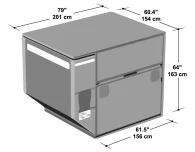 AAU Container
- Type: AAU CONTAINER
- ATA Code: LD29
- Internal Volume: 505 cu. ft. 14.3 mc
- Weight Limit: 4,626 kg
- Loadable Aircraft Type: 747, 747F
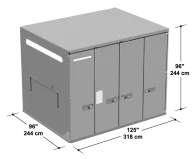 ALF Container
- Type: ALF CONTAINER
- ATA Code: LD6
- Internal Volume: 310 cu. ft. 8.78 mc
- Weight Limit: 3,175 kg
- Loadable Aircraft Type: 747, 747F,777, Airbus
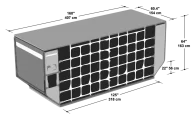 AMA Container
- Type: AMA CONTAINER
- ATA Code: M1
- Internal Volume: 621 cu. ft. 17.58 mc
- Weight Limit: 6,804 kg
- Loadable Aircraft Type: 747F
AMF Container
- Type: AMF CONTAINER
- Internal Volume: 516 cu. ft. 14.6 mc
- Weight Limit: 5,035 kg
- Loadable Aircraft Type: 747,747F, 777, Airbus
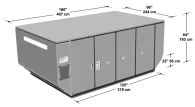
P1P_PAG Pallet
- Type: P1P, PAG PALLET
- Size:
- Base: 88″x 125″
- Height: 64″, x 96″,118″
- Weight Limit: 4,626kg
(LD),6,033kg (MD) - Loadable Aircraft Type: 747,747F, 777, Airbus
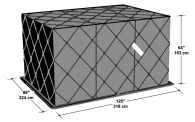 PEB Container
- Type: PEB CONTAINER
- Size:
- Base: 53″ x 88″
- Height: 84″
- Weight Limit: 1,800kg
(B-HIH -1,300 KG) - Loadable Aircraft Type: 747F
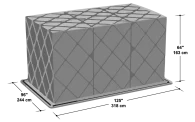 PLA Pallet
- Type: PLA PALLET
- Size:
- Base: 60.4″x 125″
- Height: 64″
- Weight Limit: 3,175kg
Loadable Aircraft Type: 747, 747F, 777, Airbus
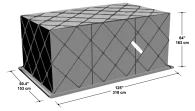 PMC_PQP_P6P Pallet
- Type: PMC, PQP, P6P PALLET
- Size: Base: 96″ x 125″
- Weight Limit: 5,035 kg (LD), 6,804 kg (MD)
- Loadable Aircraft Type: 747, 747F, 777, Airbus
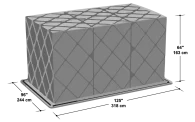 RKN Container
- Type: RKN CONTAINER
- ATA Code: LD3
- Internal Volume: 125.41 cu. ft. 3.55 mc
- Weight Limit: Weight: 1,588 kg
- Loadable Aircraft Type: 747, 747F, 777, Airbus
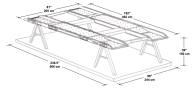
 VZA_VRA
- Size: Fitted on PGA 20 ft. Pallet
- Max Width for Lower Car: 81″/ 205 cm
- Max Centre Height for Lower Car: 59″/ 150 cm
- Max Wheel Base: 312 cm
- Weight Limit: 2,500 kg(Upper Car)
9,300 kg c(Max Gross Weight of Pallet) - Loadable Aircraft Type: 747F Upper Deck
INTERNATIONAL AIR FREIGHT AIRCRAFT
A wide variety of aircraft available for international air cargo.
AIRBUS A330-200
Utilised on domestic routes by Qantas
The A330-200, will uplift approx 14 ton or 61 cubic meters
(subject to weather conditions)
AIRBUS A330-300
Utilised by Qantas on domestic air freight routes
The A330-300, will uplift approx 15 ton or 80 cubic meters
(subject to weather conditions)
AIRBUS A320
Utilised by Qantas on domestic routes
The A320 will uplift 1 ton or approx 3 cubic meters
(subject to weather conditions)
AIRBUS A321
The A321 will uplift 3 ton or 10 cubic meters.
AIRBUS A330-800
The A330-800 will uplift 20 ton or 68 cubic meters.
BAE 146-300 FREIGHTER (Quiet trader)
The BAE 146 (Quiet trader as it is known)
Will uplift approx 10 ton or 80 cubic meters.
Boeing B737-300 Freighter
The 737 freighter will uplift approx 17 ton or 130 cubic meters.
Boeing B737-800
The 737-800 will uplift approx 3.5 ton or 30 cubic meters.
Boeing B767-300 Freighter
The 767 freighter will uplift 56 ton and 320 cubic meters.
Boeing B787-9
The 787-9 will uplift approx 18 ton or 96 cubic meters.
INTERNATIONAL AIRPORTS
|
|
SHIPPING CONTAINER DIMENSIONS
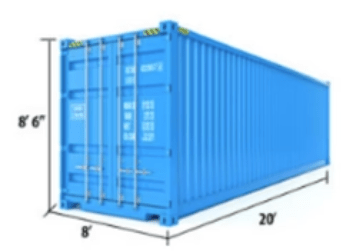 | 20 ft Standard Dry (8'6" x 8' x 20') Weight: 4500lbs Max Gross Weight: 66,139lbs Interior Dimensions: Length: 19′ 5″ Width: 7′ 8-⅛” Height: 7′ 9-⅝” Door Opening: Width: 7’ 8-½”, Height: 7’ 5-¾” |
| 40 ft Standard Dry (8'6" x 8' x 40') Weight: 8500lbs Max Gross Weight: 66,139lbs Interior Dimensions: Length: 39′ ⅜” Width: 7′ 8-⅛” Height: 7′ 9-⅝” Door Opening: Width: 7’ 8-½”, Height: 7’ 5-¾” | 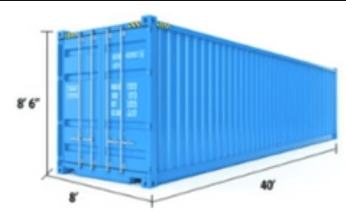 |
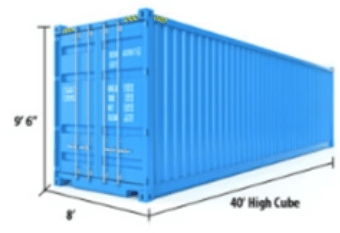 | 40 ft High Cube (9'6" x 8' x 40') Weight: 8750 lbs Max Gross Weight: 68,008lb Interior Dimensions: Length: 39′ 4” Width: 7′ 7” Height: 8′ 9″ Door Opening: Width: 7’ 8″‘, Height: 8’ 5” |
| Dimensions of 20ft Flat Rack Container Internal length 5.94 m / 19.5 ft Internal width 2.35 m / 7.7 ft Internal height 2.35 m / 7.7 ft Tare weight 2,360 kg / 5,203.8 lbs Payload capacity: 30,140 kg / 66,458.7 lbs Cubic capacity 32.7 m³ / 1,154.3 cu ft | 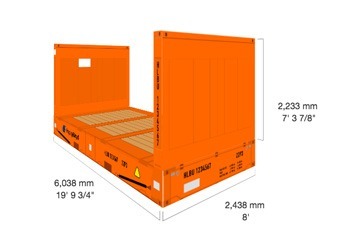 |
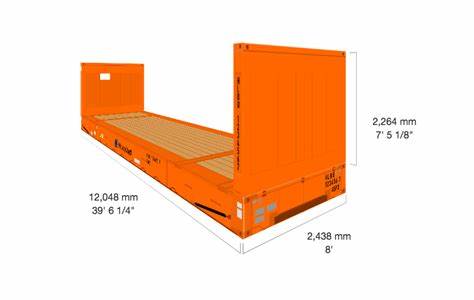 | Dimensions of 40ft Flat Rack Container Internal length 12.13 m / 39.8 ft Internal width 2.40 m / 7.9 ft Internal height 2.14 m / 7 ft Tare weight 5,000 kg / 11,025 lbs Payload capacity: 40,000 kg / 88,200 lbs Cubic capacity 62.2 m³ / 2,195.7 cu ft |
INCOTERMS
INCOTERMS are standard trade terms most commonly used in international freight contracts for sale of goods. It is essential that you are aware of your terms of trade prior to shipment.
EXW – EX WORKS (… named place of delivery)
The Seller’s only responsibility is to make the goods available at the Seller’s premises. The Buyer bears full costs and risks of moving the goods from there to destination.
FCA – FREE CARRIER (… named place of delivery)
The Seller delivers the goods, cleared for export, to the carrier selected by the Buyer. The Seller loads the goods if the carrier pickup is at the Seller’s premises. From that point, the Buyer bears the costs and risks of moving the goods to destination.
CPT – CARRIAGE PAID TO (… named place of destination)
The Seller pays for moving the goods to destination. From the time the goods are transferred to the first carrier, the Buyer bears the risks of loss or damage.
CIP– CARRIAGE AND INSURANCE PAID TO (… named place of destination)
The Seller pays for moving the goods to destination. From the time the goods are transferred to the first carrier, the Buyer bears the risks of loss or damage. The Seller, however, purchases the cargo insurance.
DAT – DELIVERED AT TERMINAL (… named terminal at port or place of destination)
The Seller delivers when the goods, once unloaded from the arriving means of transport, are placed at the Buyer’s disposal at a named terminal at the named port or place of destination. “Terminal” includes any place, whether covered or not, such as a quay, warehouse, container yard or road, rail or air cargo terminal. The Seller bears all risks involved in bringing the goods to and unloading them at the terminal at the named port or place of destination.
DAP – DELIVERED AT PLACE (… named place of destination)
The Seller delivers when the goods are placed at the Buyer’s disposal on the arriving means of transport ready for unloading at the names place of destination. The Seller bears all risks involved in bringing the goods to the named place.
DDP – DELIVERED DUTY PAID (… named place)
The Seller delivers the goods -cleared for import – to the Buyer at destination. The Seller bears all costs and risks of moving the goods to destination, including the payment of Customs duties and taxes.
MARITIME TERMS
FAS – FREE ALONGSIDE SHIP (… named port of shipment)
The Seller delivers the goods to the origin port. From that point, the Buyer bears all costs and risks of loss or damage.
FOB– FREE ON BOARD (… named port of shipment)
The Seller delivers the goods on board the ship and clears the goods for export. From that point, the Buyer bears all costs and risks of loss or damage.
CFR– COST AND FREIGHT (… named port of destination)
The Seller clears the goods for export and pays the costs of moving the goods to destination. The Buyer bears all risks of loss or damage.
CIF – COST INSURANCE AND FREIGHT (… named port of destination)
The Seller clears the goods for export and pays the costs of moving the goods to the port of destination. The Buyer bears all risks of loss or damage. The Seller, however, purchases the cargo insurance.
EXPORT DOCUMENTATION
An Overview of Bills of Lading: Ensuring Precision in Shipping
Why is it crucial to verify Bill of Lading details?
The Bill of Lading meticulously captures the smallest shipment details, providing an exact representation of your cargo. This document is pivotal for identifying your shipment and becomes invaluable in dispute scenarios, especially when handling liability claims for damaged, lost, or delayed shipments.
When is the Bill of Lading Issued?
As a specialist in international shipping and freight, CargoMaster places utmost importance on accuracy in shipping dates, marks, and cargo descriptions when issuing the Bill of Lading. Adhering to maritime regulations, CargoMaster ensures precise details, recognising the significance of the date on the Bill of Lading, marking the enforcement of the shipment contract.
How is the Bill of Lading Compiled?
The compilation of a Bill of Lading involves several checks within the export documentation flow. Freight Forwarders like CargoMaster play a crucial role, ensuring accurate details such as container and bolt seal numbers, vessel information, weights, pieces loaded, and voyage numbers. While Bills of Lading are typically issued after the vessel sails, special requests may lead to earlier issuances.
A Contract in Documentation: The Bill of Lading
Functioning as a contract between the International Shipping Company and the cargo shipper, the Bill of Lading mirrors other contractual agreements, like a residential tenancy agreement. To meet international standards, Bills of Lading must align with conventions such as The Hague Rule, Hague-Visby Rule, Hamburg Rule, and The Carriage of Goods by Sea Act Australia 1991.
Insight into the Documentation Timeline
Disputes regarding Bill of Lading issues primarily emerge in cargo exportation. The export documentation flow involves meticulous coordination, ensuring the timely gathering of information from various sources. CargoMaster, handling machinery and out-of-gauge cargo, faces additional documentation requirements for compliance with international regulations.
International Freight Certificates: Navigating Export Documentation
Certificate of Free Sale (CFS)
A crucial document confirming the approval to sell goods in Australia, essential for customs clearance and import processes in certain overseas markets.
When exporting to certain countries you will require a Certificate of Free Sale (CFS), also called an export certificate or certificate of export. An Export Certificate confirms in writing that you can sell your goods in the Australian market and that there are no restrictions. The Certificate of Free Sale certifies that you have the approval of relevant authorities to sell your goods in Australia.
The overseas purchaser of your products may have problems with customs clearance and registration process’s if you do not provide a CFS when required, your buyer may not be able to import your product into their country. You may need to present this certificate as part of the customs clearance or registration process.
A CFS is often requested for products such as:
- food-based products
- medical parts, devices and products
- certain complementary, prescription, and over the counter medicines.
Not all countries require a CFS, the need for a Certificate of Free Sale will depend on your product and your export market. Speak with your buyer to find out if you need a CFS.
Where can I get a Certificate of Free Sale?
To find out more and apply for a Certificate of Free Sale (CFS) visit:
- Department of Health Therapeutic Goods Administration
- Department of Agriculture, Water and the Environment
- Australian Chamber of Commerce and Industry (ACCI)
ATA Carnet (Admission Temporary Admission)
Facilitates the temporary entry of goods into foreign countries, providing exemptions for import duties and taxes. Commonly used for high-value goods at exhibitions, trade shows, motorsports, and audiovisual production.
An ATA Carnet is an international document that permits temporary the temporary entry of commodities into overseas countries. Carnets are used for goods that are intended to be imported for a short period of time, then exported back to the country of origin. It provides exemptions for import duties and taxes. It is most often used for high-value goods imported for specific uses.
Typical goods that may be transported under a Carnet:
- cars, bikes, boats, caravans or trailers for exhibitions and trade shows
- es or cars and other vehicles used for motorsports
- equipment, trucks, and machinery for mining or farming
- cameras and other equipment used for filming and audiovisual production.
To apply for a Carnet contact The Australian Chamber Of Commerce and Industry
Australian Chamber of Commerce and Industry www.australianchamber.com.au/international/certificates-of-origin (ACCI).
Phytosanitary Certificate
Required for regulated commodities like plants and plant products, certifying compliance with quarantine regulations and the absence of pests.
Phytosanitary Certificates available from the Department of Agriculture, Water and Environment.
Certificate of Origin (CoO)
Government-certified or authorised entity-issued document confirming the origin of commodities, essential for Free Trade Agreements (FTAs) and customs clearance.
Note: Always check specific product and market requirements for accurate documentation needs.
Certificates of Origin are needed when Origin when
- exporting to countries where Australia has a current Free Trade Agreement (FTA)
- it is requested by the importer for customs clearance
- it is specified in a Documentary Letter of Credit.
Some agreements will allow for a self-certification, while others require a certificate from an authorised body. Self-certification carries a high level of risk and is not recommended for new exporters.
There are 2 types of Certificates of Origin
- Preferential certificates
A Preferential certificate will assist customs authorities to confirm your compliance with trade agreements made, tariffs and and Rules of Origin. Rules of Origin (ROO) are an agreed set of rules between countries that share a preferential trade agreement, such as a Free Trade Agreement (FTA). ROO set out the criteria for which goods are eligible for free or preferential import tariffs. Typically, they require a product to be entirely produced in a one of the participating countries or have a minimum percentage of the value produced there. They can be complex to understand so speak with your customs broker or freight forwarder or visit the DFAT Free Trade Agreement Portal.
Note: If Australia has a Free Trade Agreement (FTA) with the country you are exporting to you can apply for a Preferential certificate
2. Non-preferential certificates
Local governments of most countries issue non-preferential certificates to collect statistical data and ensure you are meeting:
- government sanctions
- anti-dumping rules
- quotas
- general tariffs.
Where can I get a Certificate of Origin?
To find out more and apply for a Certificate of Origin (COO) visit:
- Australian Chamber of Commerce and Industry (ACCI)
- Australian Industry Group (AI Group)
- International Export Certification Services (IECS)
For information about the documents needed for specific products check out.
CargoMaster ensures a seamless freight experience, combining expertise, accuracy, and compliance for precise cargo transport. Call us at 1300 767 136 for tailored shipping solutions and competitive rates.
FREIGHT TERMS & ABBREVIATIONS
| A2A | Airport-to-airport |
| A2D | Airport-to-door |
| ADV | Advise, Advised, Advising |
AEA | Association of European Airlines (see the page “Interest Organisations” of this website also) |
Airline | Company operating aircraft between steady origin and destination airports |
| Airmail | Mail travelling by air |
| Air Operator | Company operating aircraft |
Airport-to-airport | Transport from an airport of origin to an airport of destination |
Allotment | Assigned volume on board of a flight / day |
AOG | Aircraft On Ground; materials expedited for repair of a grounded aircraft |
| AP | Airport |
| ARR | Arrive, Arrived, Arrival |
| ARR | Also, a C2K milestone: ARR = cargo and documents arrived at airport of destination |
| ATA | Air Transport Association (see the page “Interest Organisations” of this website also) |
| ATA | Actual Time of Arrival |
| ATD | Actual Time of Departure |
| Authorisation | The commission to a certain person or body to act on behalf of another person or body; the person or body can be authorised e.g., to issue air waybills or to collect freight |
| AVI | Live Animal(s) |
| AWB | Air Waybill |
| Backlog | Amount of goods still to be delivered or received and for which the planned or agreed date has expired |
| BAG | Baggage |
| Belly | Lower-deck cargo hold of an aircraft |
| BIG | Outsized cargo |
| Blocked-space agreement | A continuous reservation (allotment) for space at one or more flight / date combinations with an airline |
| Bonded Goods | Goods on which the customs duty has not yet been paid, and which therefore, are under the control of customs; usually in a Bonded warehouse. |
| Bonded warehouse | A depository for goods on which the customs duty has not been paid; the warehouse proprietor must provide a bond (often in the form of a bank warranty or a mortgage) to the customs authorities as a security for any duties which may not be paid by the customer |
| Booking | Request for reservation of space on a flight/day, (to be) confirmed by the airline |
| Break Bulk Agent | A forwarder breaking the bulk: taking care of the unpacking and sorting of goods after the flight |
| Breakdown List | List of shipments carried in one consolidation (see also: Consolidation Manifest) |
| Broker | Person who acts as an agent or intermediary in negotiating contracts; sometimes refers to a forwarder role |
| Bulk Cargo | Loose cargo not loaded on an ULD |
| C2K | Cargo 2000 (see the “Cargo 2000” page of this website) |
| Cargo Aircraft | Aircraft built with the purpose of carrying nothing else than cargo |
| Cargo assembly | The separate reception of parcels or packages and the holding of them for later dispatch as one consignment; consolidator role |
| Cargo Disassembly | The separation of one or more of the parcels or packages that are part of a consignment for further distribution; break bulk role |
| Carriage | Transport; the process of conveying cargo from one point to another |
| Carrier | The party responsible for transport of goods from one point to another, this can be for example an airline or a forwarder (as a NVOCC) |
| CASS | Cargo Accounts Settlement System |
| CAO | Cargo Aircraft Only |
| CC | Charges Collect; pay at moment of collection of the goods |
| CCS | Cargo Community System; information system integrating the communication between air cargo parties at an airport |
| Certificate of Origin | A certificate proving the country of original production of goods; used for customs declaration purposes |
| Charges collect | Charges as stated on the air waybill to be collected from the consignee |
| Charges prepaid | Charges as stated on the air waybill to be collected from the shipper |
| Claim | A written complaint about the execution of a contract of transportation by a carrier, combined with a demand for financial compensation |
| Classifying | Assigning the right import classification number to goods as part of the customs declaration process |
| CLR | Clear |
| CNEE | Consignee |
| COLL | Collect, Collected, Collecting |
| COMAT | Company Material (non-revenue cargo) |
| Combi | Combi Aircraft, combining transport of passengers and cargo on the main-deck |
| Commodity | Indication of the type of goods; commodities are coded according to the harmonised system. |
| Commodity code | Code used in the Harmonised System for the classification of goods, which are most commonly produced and traded |
| Complaint | An official statement from a customer to a carrier about his unhappiness with the service or operation of the service provider |
| Consignee | The person or company that is physically and administratively responsible for accepting the goods at final delivery |
| Consolidation | A collection of shipments belonging to different shippers travelling to one destination or area to be distributed to several consignees |
| Consolidation Manifest | List of shipments carried in one consolidation |
| Consolidation Rates | Rates as given by a consolidator / forwarder |
| Consolidator | A forwarder consolidating shipments before a flight; these shipments belonging to different shippers and travelling to one destination or area in order to be distributed to several consignees after the flight |
| Courier | Company that carries envelopes and parcels up to 75 kg from door to door; air transport is generally outsourced to airlines |
| Courier Rates | Rates as given by a courier |
| CPTY | Capacity |
| CRN | Customs Release Note |
| Customs Agent/Broker (Certified) | Party certified to handle the customs clearance on account of importers / exporters |
| Customs invoice | (Pro forma) Invoice for import declaration (customs and statistics) purposes, stating the commercial price, added with the costs for freight, insurance and packing etc., terms of delivery and payment |
| Customs value | Value of goods to be imported for import declaration (customs and statistics) purposes |
| D2A | Door-to-airport |
| D2D | Door-to-door |
| Dangerous Goods | Goods that can be hazardous for health, flight-safety or materials |
| DAP | A C2K key performance indicator: DAP = Delivered as Promised (NFD in full- and on-time statuses are achieved) |
| DEP | A C2K milestone: DEP = cargo and documents departed at airport of origin |
| DEPT | Department |
| DG | Dangerous Goods |
| DGR | Dangerous Goods Regulations (IATA) |
| Dimensional Weight (Conversion) | Concept adopted by the transportation industry worldwide as a uniform means of establishing a minimum charge for the cubic space a package occupies; the volume is converted into a (higher) weight / price class |
| DIMS | Dimensions |
| DIP | Diplomatic mail |
| DLV | Deliver, Delivered, Delivering |
| DLV | Also, a C2K milestone: DLV = cargo and documents delivered to customer (forwarder) |
| DOCS | Document(s), Documentation |
| Domestic transport | Transport within a country |
| Door-to-door | Transport from an initial shipper’s house address to a final consignee’s house address |
| Duty | Tax imposed on goods imported from another country |
| EDI | Electronic Data Interchange |
| EDIFACT | Electronic Data Interchange for Administration, Commerce and Transport; a specific EDI protocol |
| e-Freight | Electronic freight documents project from IATA; e-Freight aims to take the paper out of the air cargo supply chain and -processes and replace it with cheaper, more accurate and more reliable electronic messaging; facilitated by IATA, the project is an industry-wide initiative involving carriers, freight forwarders, ground handlers, shippers and customs authorities |
| Electronic Data Interchange | The interchange of electronic data, structured following an agreed protocol, between the automated information system of different parties |
| Embargo | An embargo on a certain kind of goods means these goods will not be transported by the airline, often for flight-safety reasons |
| Equipment | Materials needed to handle or transport goods |
| ESC | European Shippers’ Council (see the page “Interest Organisations” of this website also) |
| ETA | Estimated Time of Arrival |
| ETD | Estimated Time of Departure |
| Expediting | Forwarding goods (in less than the normal lead time) |
| Expeditor | Forwarder |
| FAK | Freight All Kinds |
| FAK-Rates | Rates for Freight All Kinds |
| FAP | A C2K key performance indicator: FAP = Flown as Planned (the complete shipment has flown at or before the last planned flight with a maximum 12-hour delay) |
| FCL | Full Container Load |
| FDCA | Found Cargo |
| FFM | Freight Forwarding Message (electronic) |
| FIATA | International Federation of Freight Forwarders Associations (see the page “Interest Organisations” of this website also) |
FLT | Flight |
| Forwarder | Company specialized in providing door-to-airport transport, arranging connecting air transport and/or airport-to-door transport for parcels and consolidations > 75 kg or up to anything that fits in an aircraft; the air transport is generally outsourced to airlines and sometimes aircraft operators or air charter companies |
| Forwarder network | A network existing of different smaller to medium sized forwarding companies all over the world working together |
| Freighter | Aircraft built with the purpose of carrying nothing else than cargo |
FSU | Freight Status Update |
| Fuel Surcharge | Surcharge added to the cargo rate to cover the additional costs of increasing fuel-prices; these will generally follow a certain index |
| Full charter | Chartering the full available volume of an aircraft or flight/day |
| Full Container Load | Container fully loaded, generally with goods belonging to one party |
| Full freighter | Aircraft built with the purpose of carrying nothing else than cargo |
FWB | Electronic air waybill message |
| FWB | Also a C2K milestone: FWB = the shipment is booked at the airline, next an electronic air waybill is generated by agent (forwarder) ; this creates the so-called route map in C2K in which all the steps are followed |
FYI | or Your Information |
| General Cargo Rates | Rates for all different kinds of cargo, not falling into a specific handling and/or rate category |
GSA | General Sales Agent |
| GSF | Global Shippers Forum (see the page “Interest Organisations” of this website also) |
| Handling Agent | Agent handling the ramp and/or warehouse cargo operation for an airline |
| Harmonised System | A numeric multi-purpose system for the classification of goods with its six digits covering about 5000 descriptions of the products or groups of products most commonly produced and traded, designed for customs purposes, but can also be used for statistics, transport purposes, export, import and manufacturing; the international convention on the HS was established under auspices of the World Customs Organisation in 1983 |
Haulage | Inland transport of cargo |
| Haulier | Road carrier |
| HEA | Heavy Cargo |
| HAWB | House Air Waybill |
| House Air Waybill | The shipment contract between the end-customer and the forwarder (see the page “Forwarding Out” of this website for further purposes and explanation) |
| Hub | Central point in a transport system or network |
HUM | Human remains |
| HWB | House Waybill |
| IATA | International Air Transport Association (see the page “Interest Organisations” of this website also) |
IATA-Agent | An IATA certified agent |
| ICAL | Inbound Cargo Action List |
| ICAO | International Civil Aviation Organisation (see the page “Interest Organisations” of this website also) |
| ICE | Dry Ice Shipment |
| IN | Inches |
| Inco terms | Internationally agreed set of standard delivery terms |
| Integrator | Carrier integrating different modes of transport to form a door-to-door transport or supply chain; this term mostly refers to the large international express companies whose core business is to carry envelopes and parcels up to 75 kg, often overnight or even same day |
| Intermodal Transport | The movement of cargo in a supply chain by more than one mode of transport; for example, road/air or sea/air transport |
INV | Invoice |
| ISA | If Space Available |
| KG | Kilos |
| L/C | Letter of Credit |
| LCL | Less than Container Load |
| Less than Container Load | Container partly filled with goods from one party, or an amount of goods that is not sufficient to fill one container and will therefore likely be consolidated |
| LHO | Living Human Organs / Blood |
| License, import/export | Governmental permit to import / export certain goods under certain conditions |
| Line item | Order line, each line on a packing list or invoice to be declared for customs |
| Load factor | The extent to which the aircraft (weight-, volume-, ULD-) capacity is efficiently utilized (to generate profit) |
LOC | Location |
| Loose cargo/shipments | Cargo / shipments not loaded on an ULD |
| Lower Deck | The (cargo) deck below the main deck or upper deck of an aircraft |
| LT | Local Time |
| Main deck | Upper deck; the (cargo) deck above the lower deck of an aircraft |
| Manifest, flight | Document listing the air waybills and a specification of the related goods carried on a flight |
| Master Air Waybill | The shipment contract between the forwarder and the airline (see the page “Forwarding Out” of this website for further purposes and explanation) |
| MAWB | Master Air Waybill |
| MFST | Manifest |
| Minimum Rate | Rate to cover the basic costs of carrying a shipment |
| MSG | Message(s) |
| Network Forwarder | A large forwarding company with worldwide branches |
| NFD | A C2K milestone: NFD = cargo and documents ready for pick-up at airline (handler), the customer (forwarder) is notified |
NND | Notice of Non-Delivery |
| NON-IATA | Airline or agent that is not a member of IATA |
| Nose loading | Loading cargo through the cargo door in the nose of an aircraft |
| Notify address | Address of a party other than the consignee to be notified of arrival of the goods |
| Notify party | Party other than the consignee to be notified of arrival of the goods |
| NOTOC | Notification To Captain; list for the captain of the aircraft with goods carried on board |
| N-Rates | Rates for shipments with weights up to 45 kg |
| NVOCC | Non-Vessel Operating/Owning Cargo Carrier; in case of Air Cargo a Carrier (e.g., a Forwarder or Consolidator) who issues Air Waybills for the carriage of cargo on aircraft which he does not operate or own |
OAG | Official Airlines Guide |
| OB | On Board |
| Oversized Cargo | Cargo that exceeds the dimensions of an ULD |
Package | Packed piece of cargo |
| Packing list | A list for customs declaration and consignment purposes stating number and kinds of packages being shipped, totals of gross, legal, and net weights of the packages, marks and numbers on the packages, contents and part-/serial numbers |
| Pallet | A (standardized) platform on which goods can be stacked for transport or warehouse handling purposes |
| Pallet, aircraft | A (standardized) platform on which goods can be stacked for air transport purposes |
| Pallet net | A net used to secure the cargo on the aircraft pallet |
| Parcel | Package |
| Part charter | Chartering of a part of the available volume on an aircraft or flight/day |
| Part shipment | Part of a shipment that travels on a different flight and/or day than the rest of the shipment due to available capacity with the airline |
PAX | Passenger(s) |
| Payload | The (cargo) load that can be carried by an aircraft (to generate revenue) |
| PC | Piece(s) |
| PER | Perishable Cargo |
| PFI | Pro Forma Invoice |
| POA | Proof Of Acceptance; legal proof a shipment has been accepted by a party |
| POD | Proof Of Delivery; legal proof a shipment has been delivered by a party |
| POD | Place Of Delivery |
| PP | Charges Prepaid |
| PPD | Prepaid |
| Pre-alert | Message stating the current and or expected status of the goods |
| Principal | The customer ordering the transport or related services |
PSH | Part Shipment |
| QNTY | Quantity |
| Q-Rates | Rates with a quantity discount |
| RCF | A C2K milestone: RCF = cargo has arrived in the cargo bay at final destination; cargo and airwaybill are administratively received in the system |
RCPT | Receipt, Reception |
| RCS | A C2K milestone: RCS = cargo and documents are received ‘Ready for Carriage’ and accepted by airline (handler) |
| Ready For Carriage | (By Air) The goods are correctly packed and labelled, and customs cleared, with the right documents attached |
| Ready For Transport | (By Road) The goods are correctly packed and labelled, with the right documents attached |
| RFC | Ready For Carriage |
| RFT | Ready For Transport |
| Routing | The path that is (to be) followed by the goods from shipper to consignee |
RUSHR | Rush Reply |
| SASPO | As Soon As Possible |
| SAWB | Substitute Air Waybill |
| Security Surcharge | Surcharge added to the cargo rate to cover the additional costs of the increasing number of security checks and related administration that are legally required by the authorities |
| Shipper | The person or company that is physically and administratively responsible for shipping the goods; for an airline in most cases a forwarder will be the shipper, for a forwarder the shipper is a third party, for example a trading company, a manufacturer, etc. |
| Shipper’s Letter of Instruction | Document issued by the shipper to instruct and authorize the forwarder to forward and declare goods on his behalf; contains all shipment details needed to facilitate these services |
SHPMNT | Shipment |
| Side loading | Loading cargo through a cargo door in the side of an aircraft |
| Skid | Pallet |
| S/L | Short Loaded |
| SLI | Shipper’s Letter of Instruction |
| SSPD | Short Shipped; stayed behind |
| TACT | The Air Cargo Tariff; publication of official airline tariffs |
| TBA | Time Before Arrival |
| TBD | Time Before Departure |
| TEMP | Temperature |
| TIACA | The International Air Cargo Association (see the page “Interest Organisations” of this website also) |
| TILNA | Tilting Not Allowed |
| TILTA | Tilting Allowed |
| Time Slot | The agreed time to collect or deliver goods |
| Tonne Kilometre | One tonne (1000 kg or 2204.6 lb) metric flown one kilometre; productivity indicator |
| TRA | Transit |
| Tracing | Retrieving (information on) the status of goods and documents |
| Tracking | Regular checking on the status of goods and documents |
| Track & Trace | Automated regular retrieval of (information on) the status of goods and documents and checking these against the agreed norms |
| Transfer cargo | Transfer of cargo from one flight to another |
| Transition / Transit cargo | Transfer of cargo from one flight to another |
| TRM | Transfer Manifest |
| TTL | Total |
| ULD | Unit Load Device |
| ULD, contoured | Unit Load Device shaped to exactly fit in an aircraft |
| UNACC | Unaccompanied |
| Unit Load Device | Standardized air cargo loading equipment (pallet, container) |
| Upper deck | Main deck; the (cargo) deck above the lower deck of an aircraft |
| VAL | Valuable cargo |
| VAT | Value Added Tax |
| VOL | Volume |
| Volume charge | Air transport charge based on the volume of goods instead of the actual weight (see “Dimensional Weight” and “Weight charge” also) |
| VUN | Vulnerable cargo |
| Weight charge | Air transport charge based on the actual weight of the goods (see “Dimensional Weight” and “Volume charge” also) |
| Weight & Balance | Management of the weight and allocation of cargo, passengers and fuel for a flight |
W/H | Warehouse |
| XPS | Priority Small Package |
| XS | In Excess |
| Yield management | The process of maximising the contribution (revenue) of the (transport & handling) network, equipment, infrastructure and resources |
International Logistics Experts
 Air cargo worldwide |
 Project Air Cargo |
 Air cargo packers |
 Air cargo consolidation |
Popular International Freight Routes




Thank-you for contacting us, it’s great that you have selected our contact us page, we appreciate the opportunity, if your shipment relates to air freight or less than a container load sea freight, please include the weight and dimensions of each piece in your request. We look forward to working with you, please feel free to call at any time.
Call: 1300 767 136